“Your priceless insights have completely transformed how I see this artist and also thoroughly upgraded my grasp of the meaning and purpose of art history. ”
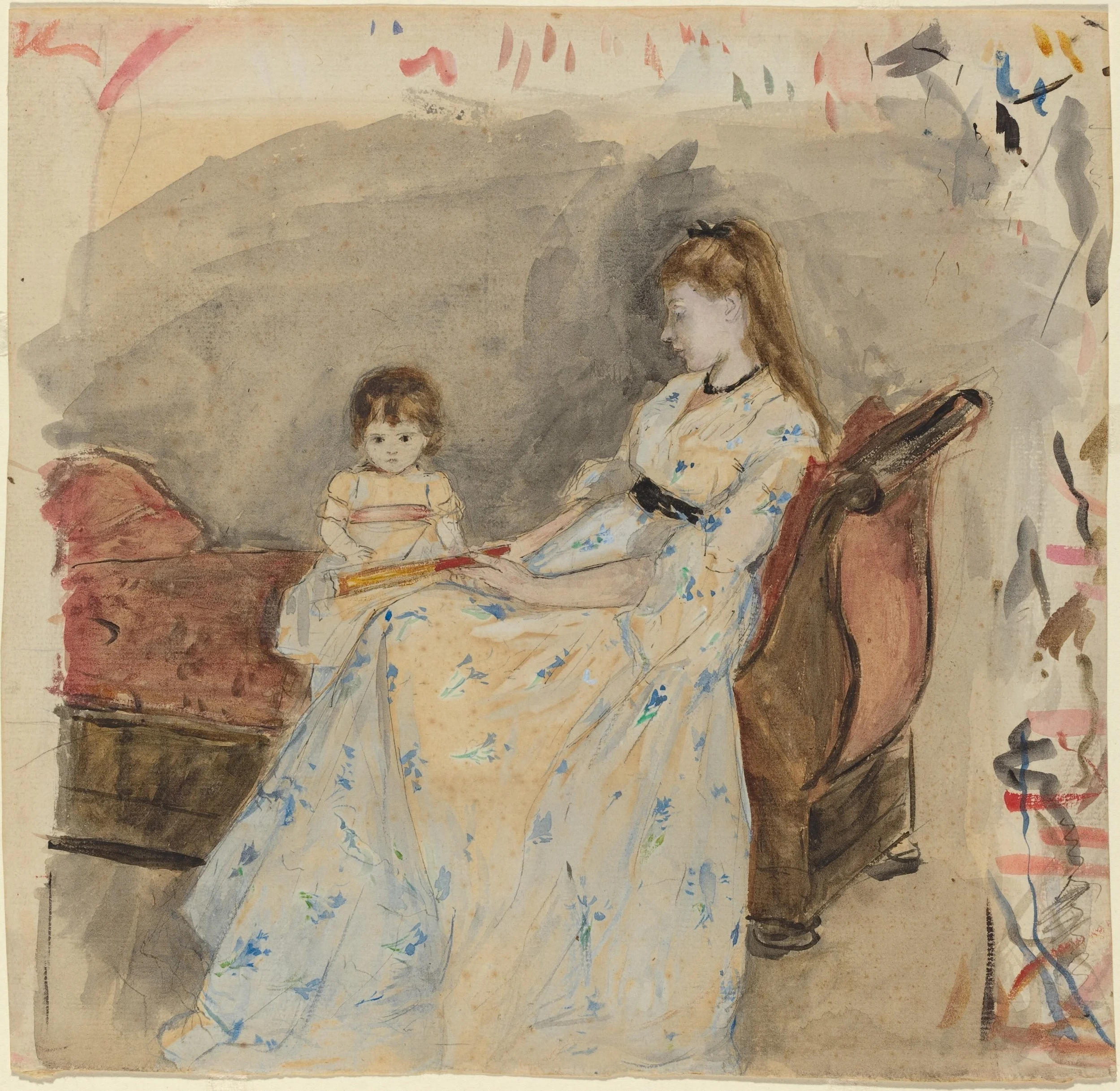
Berthe Morisot’s Impressionist Circle
Berthe Morisot was one of the key figures of the Impressionist movement. Her work, both artistic and curatorial, as well as her financial backing helped the artists associated with the movement thrive. This lecture introduces her professional life, her art and the artists who were inspired by her.
[Image: Berthe Morisot, The artist’s sister and niece, Edma and Jeanne, 1872]

Dangerous women: picturing the femme fatale
The idea of a ‘femme fatale’ emerges out of the Christian conception of Eve - the woman who brought the fall of man. From there the dangerous woman was associated with social decay, from witches to deceptive queens. This lecture focuses on the social context of the femme fatale in late 19th century Europe to explore how sensuous images of women coincide with developments in women’s social power, psychology and public health.
[Image: Franz von Struck, The Sin, c. 1909]
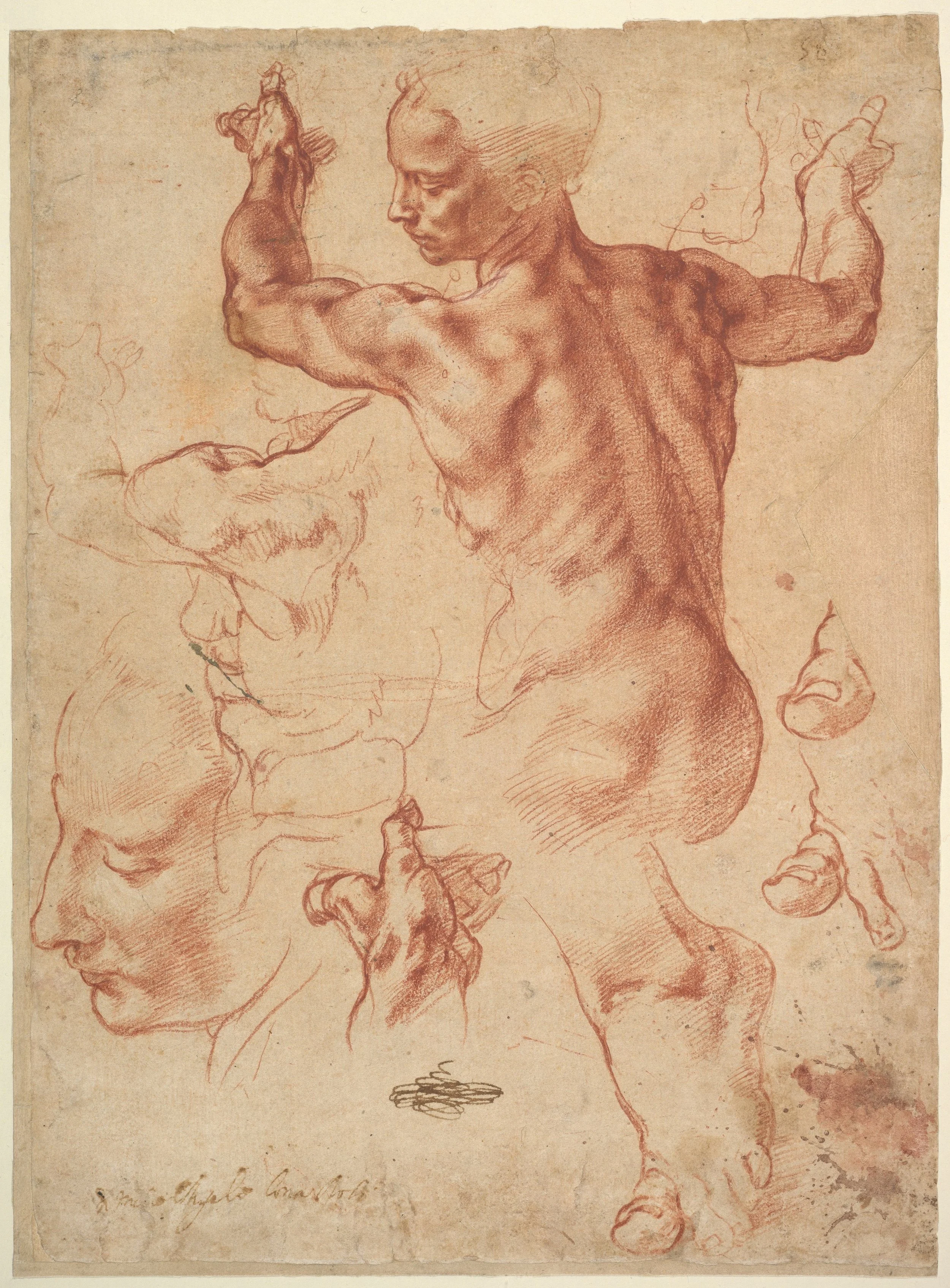
Old Master Drawings: behind the scenes of artistic process
This lecture introduces how drawings can help us better understand the artistic processes of Old Masters. From the rapid thoughts of Michelangelo to the exploration of light with Rembrandt and the blue paper pastels of Rosalba Carriera we’ll get ‘behind the scenes’ with the artist's process.
[Image: Michelangelo, Study for Sistine Chapel c. 1510-11 in the collection of the British Museum]
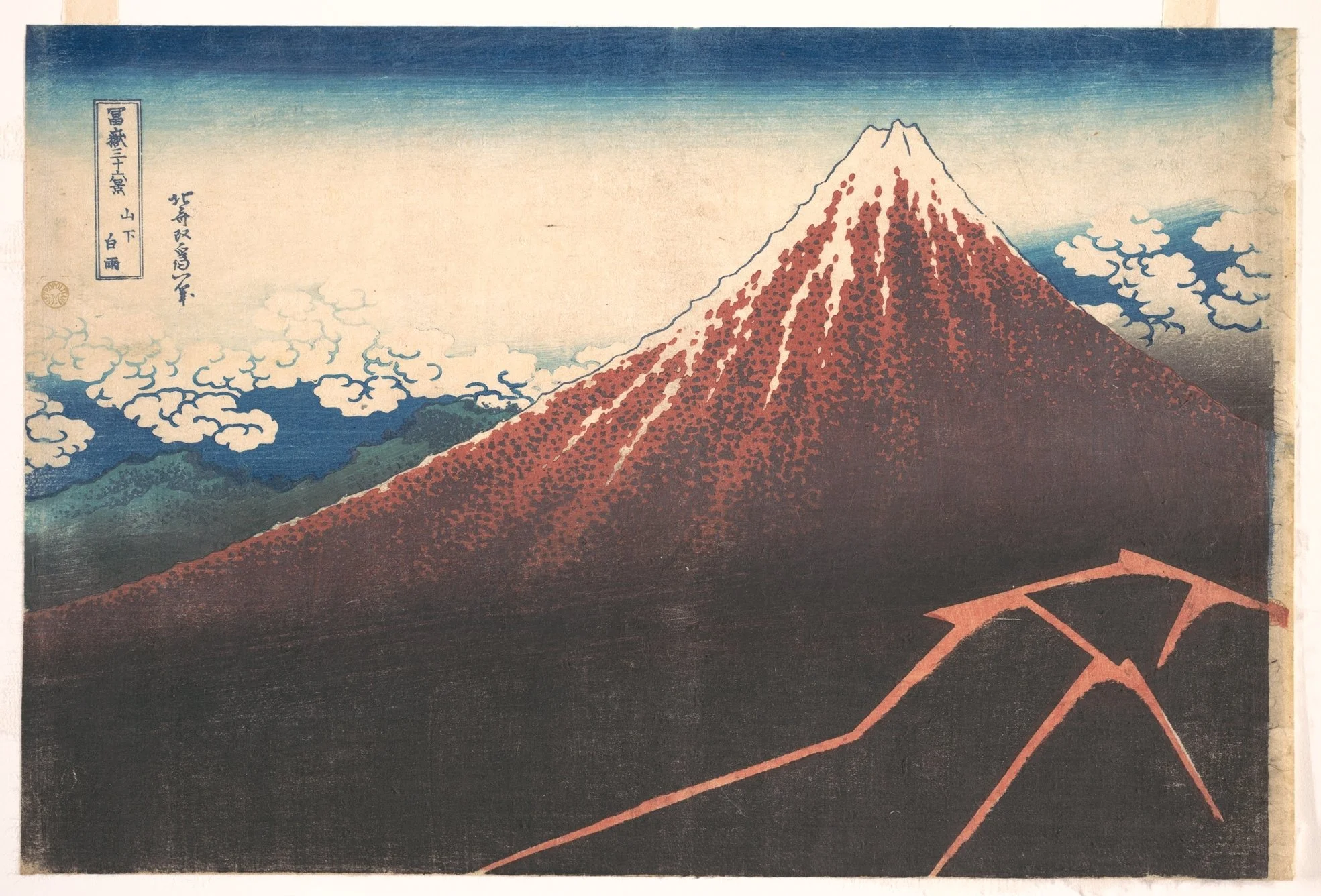
Hokusai and Monet: the colour & spaces of the floating world
This talk looks at the affinities between Katsushika Hokusai (1760-1849) and Claude Monet (1840-1926) as a way to look at their famous works through a different perspective. Hokusai never knew Monet, but Monet knew Hokusai through his work and was transformed by the older artist's images of nature.
[Image: Katsushika Hokusai, Storm below Mount Fuji (Sanka no haku u), from the series Thirty-six Views of Mount Fuji (Fugaku sanjūrokkei), 1830-32 in the collection of Metropolitan Museum]
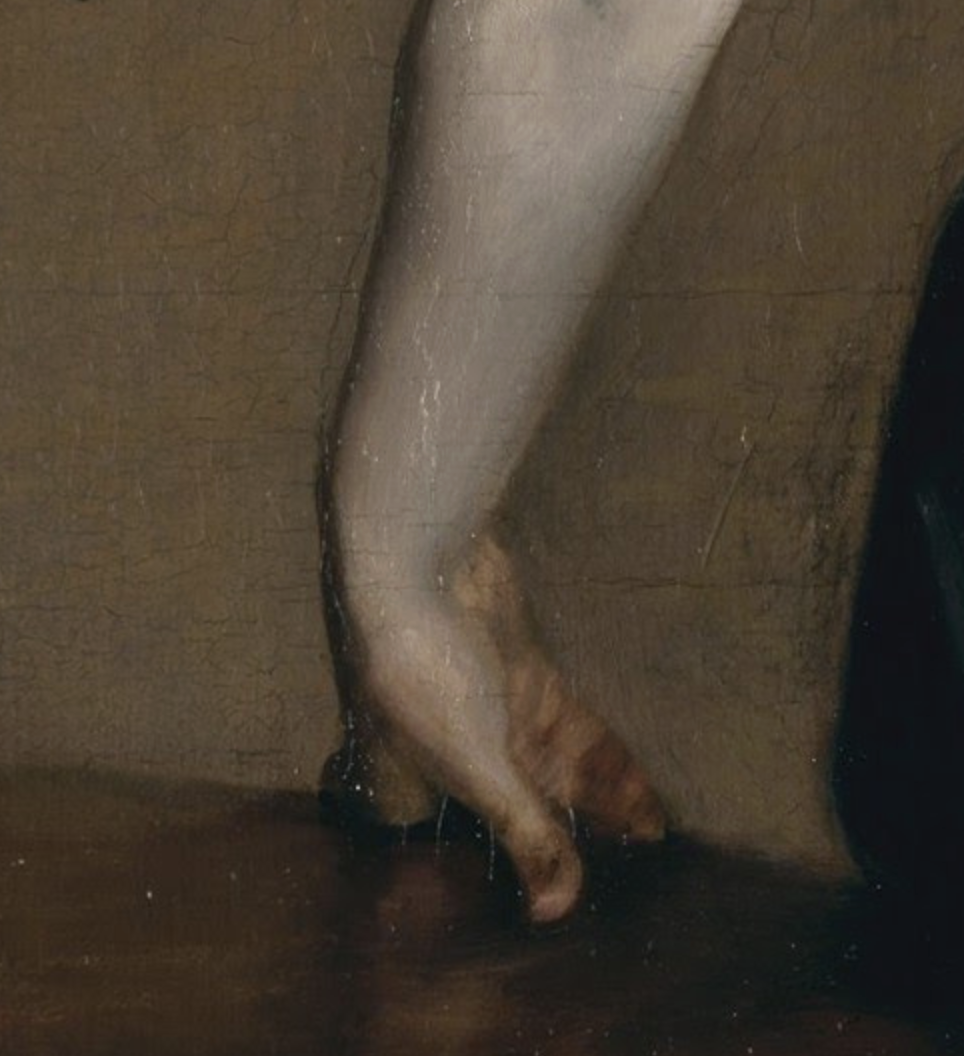
John Singer Sargent: beautifully subversive
This talk explores the psychological and social complexity of Sargent’s early works and his failures in Paris, before his (somewhat) successful move to England in 1886. We’ll develop Sargent’s biography and art historical context to understand his interest in subversion, his desire to rebel against classism and we’ll get to thinking about what makes him ‘modern’ and not simply the society painter some presume him to be.
[Image: John Singer Sargent, detail of Madame X, 1884 in the collection of the Metropolitan Museum of Art]

Art on the Silk Road
A short introduction to the Silk Road, focusing on the art produced by some of the cultures that were part of this extraordinary trade route.
We examine five to six objects that were produced as a result of trading along the Silk Road, these include textiles, ceramics, painting and stone sculpture. The hope is to explore the vibrant diversity of the ancient/medieval world and to see how cultures are far more connected than first imagined.
[Image: Tile with Image of Phoenix, late 13th century, in the collection of Metropolitan Museum]
“Great in-depth lecture in such a brief amount of time. I learned a lot, will further study Surrealism. Yes, this was truly fascinating and inspiring!! Thank you!”

Käthe Kollwitz: Master Printmaker
Kollwitz is considered one of the most important printmakers in history. This lecture explores why by introducing her innovative processes. We will look at her artistic influences and why she chose to be a printmaker above all other art mediums. We will then explore how she changed print method according to subject and how her art traces the turbulent era of late 19th and early 20th century Germany.
[Image: Kollwitz, Frontal Self-Portrait, 1922-23, via National Gallery of Ottawa]
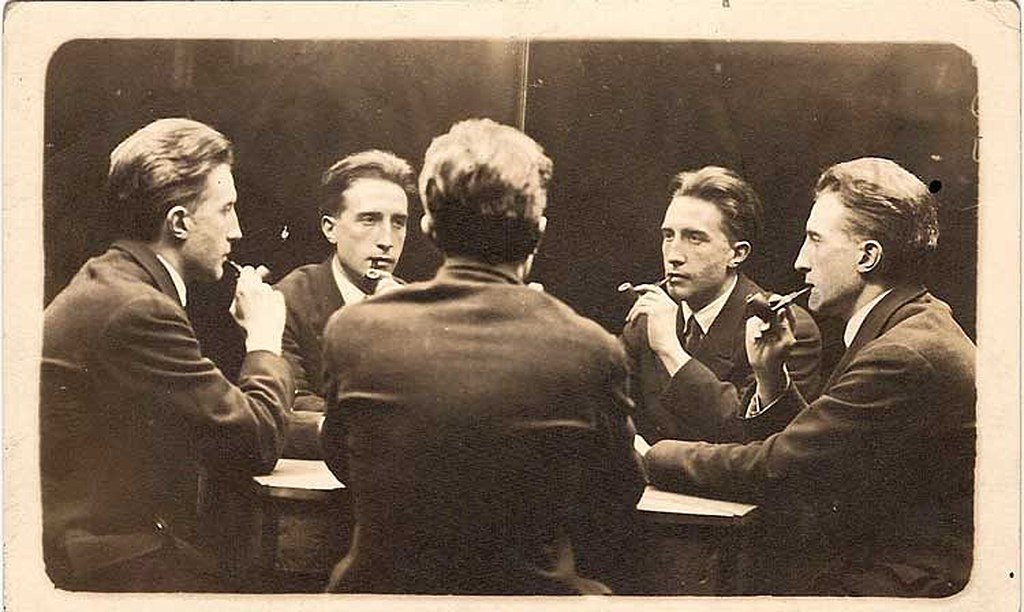
End Game: Chess in the art of Marcel Duchamp
Culturally, we think of Marcel Duchamp as an artist, but he was a certified chess master, representing France in the World Federation of Chess and writing an influential book on the subject in the 1930s. This lecture explores how Duchamp integrated the fundamental strategies of chess into his art. We’ll look at his development of conceptual art and how it transforms the art object into a logic puzzle that challenges the viewer to think about the artist’s next move.
[Image: Unidentified photographer, Five-way portrait of Marcel Duchamp, 1917 via National Portrait Gallery, Washington D.C.]
“Sarah always pushes us to think about art in a different way. ”
Other lectures and topics
A history of photography in five photographs
Convulsive Beauties: The women of surrealism
Shaping Time: the foundations of Mayan art and architecture
Mary Cassatt’s Unconventional Women
Rembrandt’s Amsterdam: a history of the city in five artworks
Art Nouveau: the invention of modern design
Best Friends Forever: the origins of the friendship portrait from Erasmus to Van Dyck
Klimt and Beethoven: myth making in modern Vienna
Dressed to the nines: the fashion, accessories and objects of the Three Magi
Édouard Manet’s Paris
Mother Figure: how the cult of the Virgin Mary changed art
Art of the Harlem Renaissance
And more. . .
“. . .an excellent and unusual lecture, covering not only the history of photography, but also clear explanations of photographic techniques and interesting context within wider artistic movements.”